Art Lessons and Courses
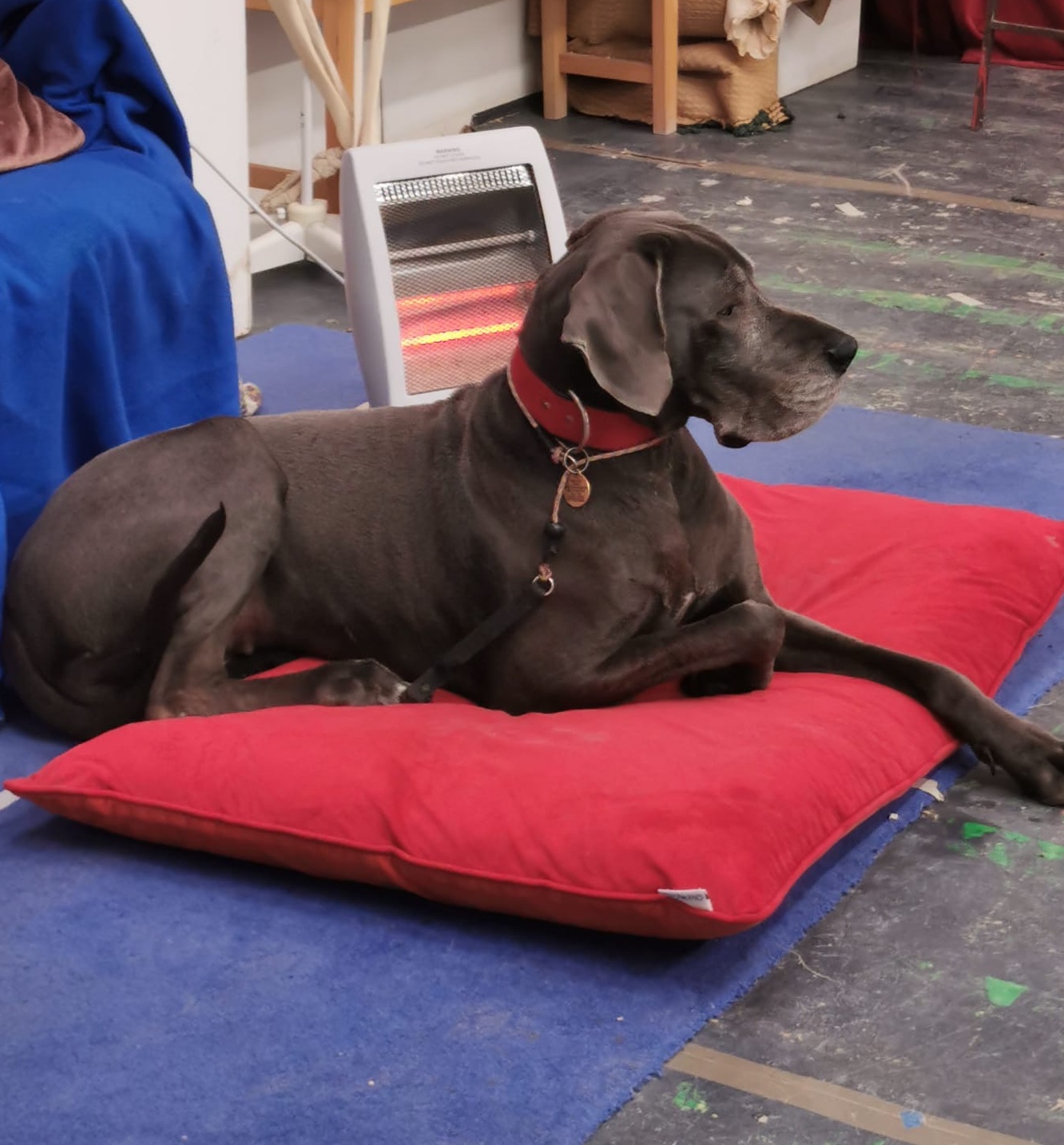
ANIMAL SCULPTURE
£250.00
7 spaces available
Tutor: Jon Edgar
The aim of this course is to offer an approach to gathering visual information to produce lively quick sketches in both on paper and in clay. The outcome will result in fulfilling two approaches depending on student preference; finding the end result from the quick sketch as your finished piece, or using the wealth of visual information you have made over the two days to go on to make a larger more studied sculpture.
Students of sculpture need to identify genuinely creative pursuits around improving (i) observation as a building block to figurative work and (ii) perception for the purposes of manipulating form. Both will allow increasing confidence to abstract ideas through the foundations of the fine art disciplines.
You will be:
- Producing at least 10 quick sketches on paper from direct observation. These can be rudimentary drawings/sketches/ scribbles searching for form, and are a good way to start ‘seeing’ the subject.
- Producing 10 clay or wax clay studies (up to 10cm) from our primary source – Millie – towards direct observation, building up a jigsaw of visual evidence, gathering ideas, understanding forms and capturing movement and expression, steering away from a finished refined result. These will likely be fragments of the body, and any planning for a longer pose will be aided by getting to know our “sitter” as the course time develops
- Taking your own videos and photographs of Millie for use as secondary reference material. 3D and 2D sketches and photographic and video output provide rich artistic evidence that might show some of the character of the subject AND allow – in future studio time – the development of a larger work using the references and memories of the sitting.
- Be encouraged to continue research into other sources of information that may help such as existent online imagery, the skeletal and surface muscles of a dog that may help you understand and interpret the forms you are seeing.
You won’t be:
- Making an armature although “ how to” can be part of the discussion
- Making a refined finished sculpture. This can be accomplished if desired by using your portfolio from the workshop and either booking studio time or working at your own home or studio independently. For those working at the studio the choice can be working with support (Free Form sessions) or working independently (studio time sessions). Please get in touch by email if you would like to find out more.
Jon Edgar is flexible to your individual approaches in the second day, but can support most strongly when we have visual evidence to compare with your creative outputs. More secondary source sketches (with gradually improving observation) will allow you to develop more powerful work referring to these sources after our model has left. Your tertiary source sculpture uses the secondary sources, memory and the imagination – but humans are good at losing sensitivity and expressiveness when we consciously make “sculpture” so be conscious to retain the spontaneity of your initial quick observational sketches if you can.